
Environmental Stewardship in Mining: Balancing Mineral Development with Sustainable Resource Management
Mining has long been a cornerstone of economic development, providing the raw materials necessary for infrastructure, industrialization, energy production, and technological advancement. Minerals such as gold, copper, iron ore, nickel, lithium, cobalt, and rare earth elements are essential for modern economies and the global transition toward renewable energy technologies. However, while mining contributes significantly to employment, government revenues, foreign exchange earnings, and industrial growth, it also has the potential to cause substantial environmental impacts if not managed responsibly. The relationship between mining and the environment has evolved considerably over the past few decades. Historically, mining activities often proceeded with limited consideration for environmental protection, resulting in land degradation, water pollution, deforestation, habitat destruction, and long-term ecological damage. Today, governments, investors, communities, and international organizations increasingly demand that mining companies operate in a manner that minimizes environmental harm while maximizing socio-economic benefits. Environmental stewardship has therefore become a central component of modern mining operations. From exploration and mine development to production, closure, and rehabilitation, environmental considerations influence every stage of the mining lifecycle. Sustainable mining practices are no longer optional; they are essential for securing operating licenses, maintaining social acceptance, attracting investment, and ensuring long-term industry viability. This article explores the key environmental considerations in the mining sector and highlights strategies for achieving sustainable and responsible mineral development.
ENVIRONMENT
Author: MEC Mining and Exploration Consultancy Limited
6/11/20266 min read
Environmental Stewardship in Mining: Balancing Mineral Development with Sustainable Resource Management
Introduction
Mining has long been a cornerstone of economic development, providing the raw materials necessary for infrastructure, industrialization, energy production, and technological advancement. Minerals such as gold, copper, iron ore, nickel, lithium, cobalt, and rare earth elements are essential for modern economies and the global transition toward renewable energy technologies. However, while mining contributes significantly to employment, government revenues, foreign exchange earnings, and industrial growth, it also has the potential to cause substantial environmental impacts if not managed responsibly.
The relationship between mining and the environment has evolved considerably over the past few decades. Historically, mining activities often proceeded with limited consideration for environmental protection, resulting in land degradation, water pollution, deforestation, habitat destruction, and long-term ecological damage. Today, governments, investors, communities, and international organizations increasingly demand that mining companies operate in a manner that minimizes environmental harm while maximizing socio-economic benefits.
Environmental stewardship has therefore become a central component of modern mining operations. From exploration and mine development to production, closure, and rehabilitation, environmental considerations influence every stage of the mining lifecycle. Sustainable mining practices are no longer optional; they are essential for securing operating licenses, maintaining social acceptance, attracting investment, and ensuring long-term industry viability.
This article explores the key environmental considerations in the mining sector and highlights strategies for achieving sustainable and responsible mineral development.
The Importance of Environmental Management in Mining
Mining activities involve the extraction and processing of natural resources from the earth. These activities inevitably alter landscapes and ecosystems. Effective environmental management seeks to identify, assess, mitigate, and monitor these impacts throughout the life of a mining project.
Environmental management is important because it:
Protects ecosystems and biodiversity.
Safeguards water resources.
Minimizes pollution and environmental degradation.
Promotes sustainable land use.
Enhances community relations.
Ensures compliance with environmental regulations.
Reduces operational risks and liabilities.
Supports long-term economic sustainability.
Failure to adequately address environmental concerns can lead to regulatory penalties, community opposition, project delays, reputational damage, and costly remediation obligations.
Environmental Considerations During Mineral Exploration
Environmental responsibility begins long before a mine is developed. Exploration activities, although generally less intrusive than mining operations, can still affect the environment.
Land Disturbance
Exploration programs involving geological mapping, trenching, pitting, drilling, and road construction may disturb vegetation and soils. Careful planning is necessary to minimize the extent of disturbance.
Best practices include:
Using existing access routes where possible.
Limiting vegetation clearing.
Restricting exploration footprints.
Rehabilitating disturbed areas promptly.
Waste Management
Exploration activities generate waste materials such as drill cuttings, packaging materials, fuel containers, and camp waste.
Proper waste management involves:
Waste segregation.
Safe disposal practices.
Recycling where feasible.
Prevention of soil and water contamination.
Protection of Water Resources
Exploration activities near rivers, streams, wetlands, and groundwater sources require special attention to prevent contamination from drilling fluids, fuel spills, and sediment runoff.
Protective measures include:
Buffer zones around water bodies.
Spill prevention systems.
Proper storage of fuels and chemicals.
Land Degradation and Landscape Alteration
One of the most visible environmental impacts of mining is land disturbance.
Mining operations often involve:
Open pits.
Underground excavations.
Waste rock dumps.
Tailings storage facilities.
Processing plants.
Access roads.
These developments can significantly alter natural landscapes and affect land productivity.
Soil Erosion
Removal of vegetation and topsoil increases vulnerability to erosion caused by wind and water.
Excessive erosion can:
Reduce soil fertility.
Increase sedimentation in waterways.
Degrade downstream ecosystems.
Mitigation measures include:
Progressive rehabilitation.
Slope stabilization.
Drainage control systems.
Re-vegetation programs.
Land Rehabilitation
Modern mining projects are expected to restore disturbed areas following mine closure.
Rehabilitation objectives typically include:
Stabilizing landforms.
Restoring vegetation.
Preventing erosion.
Creating sustainable post-mining land uses.
Successful rehabilitation enables former mining areas to support agriculture, forestry, wildlife habitats, recreation, or other productive uses.
Water Resource Management
Water is one of the most critical environmental considerations in mining.
Mining operations require substantial quantities of water for:
Mineral processing.
Dust suppression.
Drilling activities.
Equipment cooling.
Domestic use.
At the same time, mining can impact both surface water and groundwater resources.
Water Quality Protection
Mining activities may introduce contaminants into water systems through:
Acid mine drainage.
Sediment runoff.
Chemical spills.
Tailings seepage.
Contaminated water can adversely affect ecosystems, agriculture, livestock, and human health.
Preventive measures include:
Water treatment facilities.
Containment systems.
Monitoring programs.
Proper tailings management.
Water Conservation
In many mining regions, water scarcity is a growing concern.
Sustainable mining practices focus on:
Water recycling.
Process optimization.
Rainwater harvesting.
Reduced freshwater consumption.
Efficient water management helps protect local water resources while reducing operational costs.
Tailings and Waste Management
Mining generates large volumes of waste materials.
These include:
Waste Rock
Waste rock consists of excavated material that does not contain economically recoverable mineralization.
Potential environmental concerns include:
Acid generation.
Metal leaching.
Dust emissions.
Landscape impacts.
Proper waste rock management requires:
Geochemical characterization.
Controlled storage.
Surface water diversion.
Long-term monitoring.
Tailings Management
Tailings are the finely ground waste materials remaining after mineral processing.
Tailings storage facilities represent one of the most significant environmental risks in mining.
Potential impacts include:
Water contamination.
Structural failure.
Dust generation.
Habitat destruction.
Modern tailings management emphasizes:
Engineering stability.
Continuous monitoring.
Water recovery systems.
Emergency preparedness planning.
Recent global tailings failures have highlighted the importance of rigorous design, operation, and oversight of tailings facilities.
Biodiversity Conservation
Mining projects frequently occur in areas of ecological significance.
Potential impacts on biodiversity include:
Habitat loss.
Habitat fragmentation.
Species displacement.
Changes in ecosystem functioning.
Biodiversity Assessments
Environmental Impact Assessments (EIAs) typically include biodiversity studies that identify:
Sensitive ecosystems.
Endangered species.
Critical habitats.
Ecological corridors.
These assessments guide project planning and mitigation strategies.
Biodiversity Management Plans
Mining companies increasingly implement biodiversity management programs that include:
Habitat restoration.
Species monitoring.
Conservation partnerships.
Protected area support.
The objective is to minimize ecological impacts and, where possible, achieve a net positive biodiversity outcome.
Air Quality Management
Mining operations can significantly affect air quality.
Major sources of air emissions include:
Blasting.
Haul roads.
Crushing operations.
Ore processing.
Power generation.
Dust Control
Dust is one of the most common environmental concerns associated with mining.
Excessive dust can:
Affect worker health.
Reduce agricultural productivity.
Impact nearby communities.
Damage vegetation.
Dust suppression measures include:
Water spraying.
Chemical suppressants.
Vegetative barriers.
Covered conveyors.
Greenhouse Gas Emissions
Mining contributes to greenhouse gas emissions through:
Diesel-powered equipment.
Electricity consumption.
Explosives use.
Mineral processing.
Mining companies are increasingly adopting:
Renewable energy systems.
Electrified equipment.
Energy-efficient technologies.
Carbon reduction strategies.
These initiatives support global efforts to address climate change.
Climate Change and Mining
Climate change presents both challenges and responsibilities for the mining industry.
Climate Risks to Mining Operations
Mining projects face increasing risks from:
Extreme rainfall.
Flooding.
Drought.
Heatwaves.
Infrastructure damage.
Climate resilience has become a critical consideration in mine design and operation.
Mining's Role in the Energy Transition
Ironically, while mining contributes to environmental impacts, it also supplies the minerals necessary for renewable energy technologies.
These include:
Lithium for batteries.
Cobalt for energy storage.
Copper for electrical systems.
Nickel for electric vehicles.
Rare earth elements for wind turbines.
Responsible mining therefore plays a vital role in supporting the global transition to a low-carbon economy.
Noise and Vibration Management
Mining operations generate noise and vibration from:
Blasting.
Heavy machinery.
Crushers.
Transport vehicles.
Potential impacts include:
Community disturbance.
Wildlife disruption.
Structural damage concerns.
Mitigation measures include:
Controlled blasting schedules.
Noise barriers.
Equipment maintenance.
Buffer zones between operations and communities.
Environmental Impact Assessment (EIA)
Environmental Impact Assessment is one of the most important tools for environmental protection in mining.
An EIA evaluates:
Potential environmental impacts.
Alternative project designs.
Mitigation measures.
Monitoring requirements.
The EIA process helps ensure that environmental considerations are integrated into project planning before development begins.
Typical EIA components include:
Baseline environmental studies.
Impact prediction.
Risk assessment.
Stakeholder consultation.
Environmental management planning.
Community Engagement and Environmental Responsibility
Environmental sustainability is closely linked to social responsibility.
Local communities often depend on natural resources for:
Water supply.
Agriculture.
Fisheries.
Livelihoods.
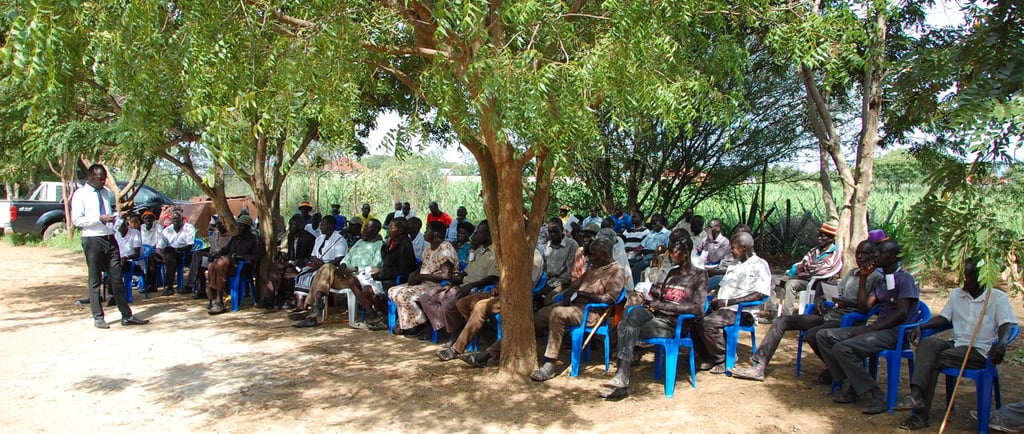
Mining companies must therefore engage stakeholders throughout the project lifecycle.
Effective engagement promotes:
Transparency.
Trust.
Conflict prevention.
Shared environmental stewardship.
Community participation can also improve environmental monitoring and decision-making processes.
Mine Closure and Rehabilitation Planning
Environmental responsibility extends beyond the operational life of a mine.
Mine closure planning should begin during project development and continue throughout operations.
Closure objectives include:
Long-term environmental stability.
Public safety.
Sustainable land use.
Water quality protection.
Key closure activities include:
Removal of infrastructure.
Landform reshaping.
Soil replacement.
Re-vegetation.
Water management.
Successful mine closure reduces long-term liabilities and supports environmental recovery.
Emerging Trends in Sustainable Mining
The mining industry continues to adopt innovative approaches to environmental management.
Key trends include:
Digital Environmental Monitoring
Advanced technologies such as drones, remote sensing, and real-time monitoring systems improve environmental oversight.
Renewable Energy Integration
Solar, wind, and hybrid power systems are increasingly being used at mine sites to reduce carbon emissions.
Circular Economy Approaches
Mining companies are exploring opportunities to:
Recycle waste materials.
Recover valuable minerals from tailings.
Improve resource efficiency.
Environmental, Social, and Governance (ESG) Standards
Investors increasingly evaluate mining companies based on ESG performance.
Strong environmental performance enhances:
Access to capital.
Corporate reputation.
Long-term competitiveness.
Conclusion
Environmental considerations are fundamental to the success and sustainability of modern mining operations. As demand for minerals continues to grow, mining companies must balance resource extraction with responsible environmental stewardship. Effective management of land, water, biodiversity, air quality, waste, climate impacts, and mine closure is essential for minimizing environmental risks and maximizing long-term benefits.
The future of mining lies in sustainable practices that protect ecosystems, support communities, comply with regulatory requirements, and contribute to global development goals. By integrating environmental responsibility into every stage of the mining lifecycle, the industry can continue to supply the minerals essential for economic growth and technological progress while preserving the natural environment for future generations.
Sustainable mining is not merely an environmental obligation—it is a strategic necessity for the long-term success, resilience, and social acceptance of the global mining sector.
projects@mecminingug.com
+256741506843
MEC Mining and Exploration Consultancy Limited
Exploration| Mining| Resource Value Creation
Transforming Earth Data into Real Value